
How Healthcare Mobile Apps Are Transforming Patient Care

Healthcare today is no longer limited to clinic visits or long waiting rooms. Patients expect faster support, easier access to doctors, and better visibility into their health. Mobile healthcare apps are meeting these expectations by bringing care directly into people’s hands. From booking appointments to tracking vital signs, these apps help patients stay informed, engaged, and in control of their health journey.
Healthcare providers also benefit from this shift. Digital solutions allow doctors to monitor patients remotely, reduce manual work, and make faster decisions based on real-time data. Organizations that adopt modern healthcare apps often improve patient satisfaction and streamline daily operations.
Many forward-thinking providers now collaborate with a specialized healthcare application development company to create secure, user-friendly platforms that support both patients and medical teams.
Patients Now Expect Convenience
People use mobile apps for banking, shopping, and travel. Healthcare should feel just as simple.
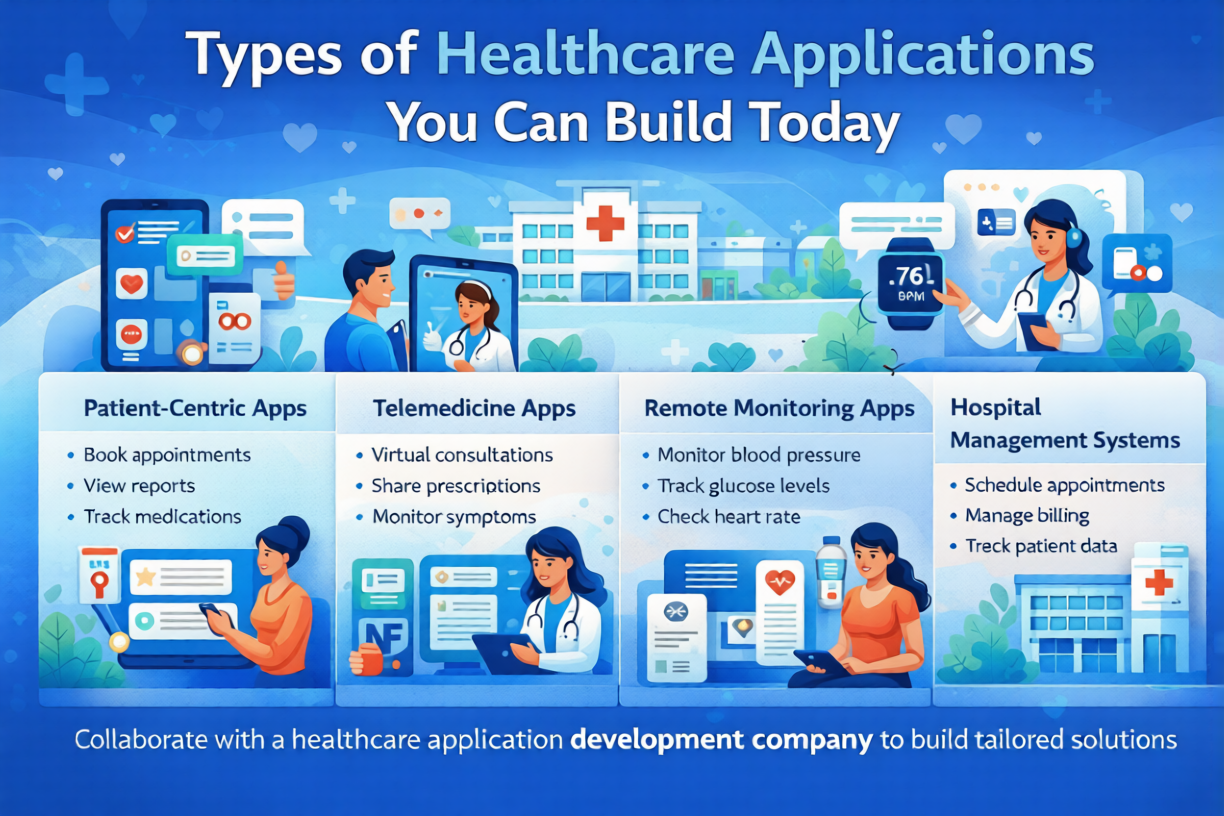
Mobile healthcare apps help patients:
- Book appointments quickly
- Access reports anytime
- Receive medication reminders
- Connect with doctors remotely
When patients stay informed, they take better control of their health. This improves adherence to treatment and overall outcomes.
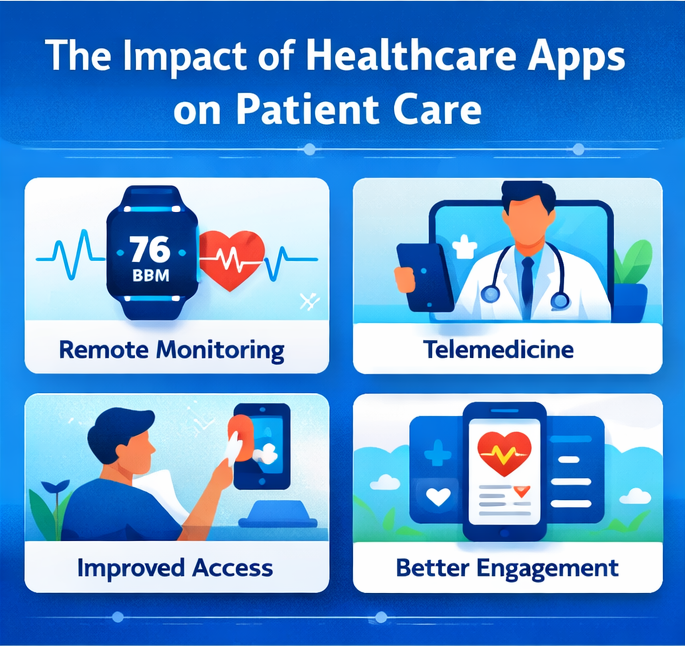
Doctors Deliver Care Beyond Clinics
Healthcare apps support providers by simplifying communication and data access.
Doctors can:
- Monitor patient progress remotely
- Share prescriptions digitally
- Track chronic conditions
- Reduce paperwork
Instead of spending time on manual processes, medical teams focus more on care.
Hospitals often invest in custom platforms through healthcare application development services to support this shift.
Remote Care Improves Access
Many patients struggle to visit hospitals due to distance, time, or mobility issues.
Mobile apps allow providers to offer:
- Virtual consultations
- Remote follow-ups
- Digital treatment plans
Remote care improves accessibility and reduces delays in treatment.
Organizations now use healthcare application development to expand their reach and deliver timely care.
Real-Time Monitoring Changes Outcomes
Healthcare apps can integrate with wearable devices to track:
- Heart rate
- Blood pressure
- Glucose levels
Doctors receive updates quickly, which helps them act before conditions worsen.
Startups and hospitals often build these systems with support from a trusted healthcare application development company.
Healthcare Teams Work More Efficiently
Healthcare operations involve complex coordination.
Mobile apps help teams:
- Manage appointments
- Share information securely
- Coordinate treatment plans
Many providers partner with experts in healthcare application development services to simplify workflows.
Patient Engagement Improves
Engaged patients follow treatment plans more consistently.
Mobile apps keep them involved through:
- Notifications
- Health insights
- Progress tracking
Healthcare organizations looking to enhance engagement often explore solutions through health application development company
Data-Driven Decisions Become Easier
Healthcare apps generate valuable insights that support better decisions.
Providers can:
- Understand patient trends
- Improve treatment strategies
- Optimize services
Custom healthcare application development enables this shift toward informed care.
The Future of Patient Care Is Mobile
Healthcare continues to evolve toward digital-first experiences.
Mobile apps now support:
- Preventive care
- Chronic disease management
- Remote diagnostics
Organizations that invest in mobile solutions improve efficiency and patient satisfaction.
Many now work with a healthcare application development company to build secure and scalable platforms.
Challenges Healthcare Apps Solve
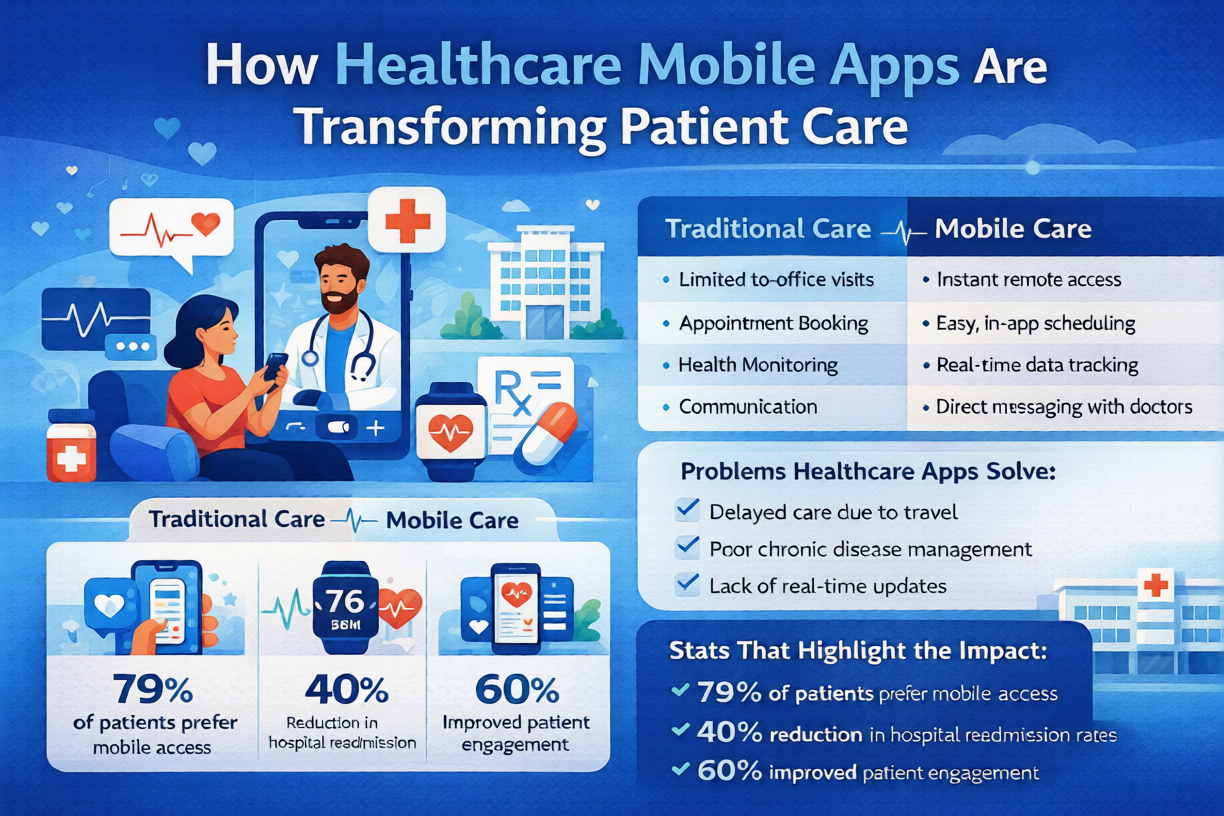
Healthcare mobile apps address several real-world challenges faced by both patients and providers:
- Reduce appointment delays
- Improve communication between patients and doctors
- Minimize manual paperwork
- Support continuous monitoring
- Enhance treatment adherence
These improvements help healthcare teams deliver consistent and efficient care.
Traditional Care vs Mobile Healthcare Apps
| Aspect | Traditional Care | Mobile Healthcare Apps |
| Appointment Booking | Manual scheduling | Instant booking |
| Patient Monitoring | Periodic visits | Real-time tracking |
| Communication | In-person only | Remote consultations |
| Access to Records | Limited | Anytime access |
| Treatment Follow-ups | Often delayed | Automated reminders |
| Patient Engagement | Low | High |
Mobile healthcare apps create faster access, improve visibility, and help providers respond to patient needs more effectively.
Real Impact of Healthcare Mobile Apps
Recent industry trends highlight how mobile healthcare apps improve outcomes:
- Many providers report faster patient follow-ups through mobile platforms
- Remote monitoring reduces unnecessary hospital visits
- Digital reminders improve medication adherence
- Virtual consultations save time for both patients and doctors
These results show how mobile healthcare apps support better care delivery and smarter decision-making.
Why Healthcare Apps Matter More Than Ever
Healthcare mobile apps have moved from optional tools to essential platforms.
They help patients stay connected and allow providers to deliver timely care.
Organizations that adopt digital healthcare solutions today prepare themselves for a more accessible and efficient future.